Why Personalization is the Future of E-commerce

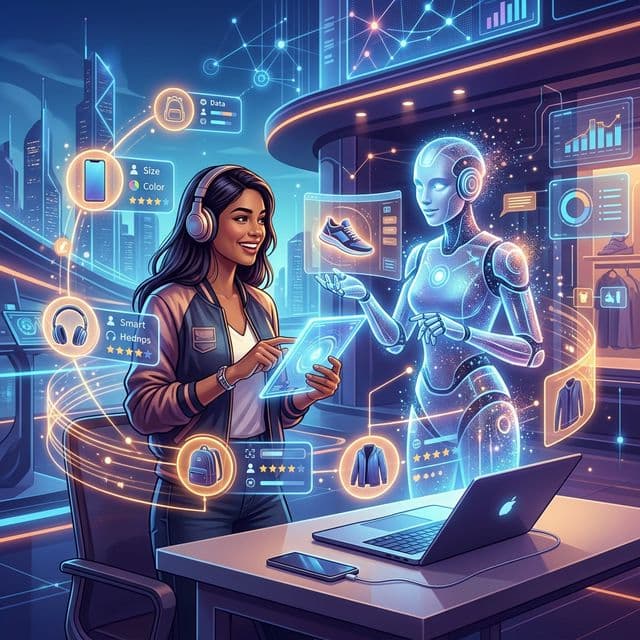
The Death of the Generic Storefront
In 2026, the idea of every customer seeing the same homepage when they visit an e-commerce site feels archaic. We are entering the era of "Segment of One" marketing, where every digital experience is tailored to the individual's specific preferences, past behavior, and current context. Personalization is no longer a 'nice to have' feature; it is the fundamental baseline for e-commerce success.
Moving Beyond Basic Recommendation Engines
Early personalization was limited to "Customers who bought this also liked..." While effective, it was often based on shallow data. Modern AI-driven personalization has moved far beyond this. It now encompasses: - **Dynamic Interface Layouts**: Showing a return customer their 'frequent buys' prominently, while showing a new visitor a story-driven brand introduction. - **Personalized Visuals**: Using generative AI to show a product in a setting that resonates with a specific user (e.g., showing a hiking boot on a mountain trail for an outdoor enthusiast vs. on a city street for an urban commuter). - **Contextual Pricing and Offers**: Adjusting promotions based on real-time inventory, user loyalty, and even local weather or events.
The Psychological Power of Being Understood
When a user feels that a brand truly *understands* them, the nature of the transaction changes. It moves from a commodity purchase to a relationship. AI allows retailers to process first-party data in real-time, turning raw signals into actionable insights. By predicting a customer's next move—such as knowing when they are likely to run out of a subscription product or identifying that they are shopping for a special occasion—brands can intervene with the right offer at the exact moment of need.
Implementing 'Omni-Channel' Personalization
Personalization shouldn't stop at the browser. It must follow the customer across email, SMS, social media apps, and even physical store visits. An AI-powered 'customer-360' view ensures that if a customer abandons a cart on their phone, the email they receive hours later isn't just a generic reminder, but a personalized offer that addresses the specific hesitation they might have had.
Trust and Transparency: The Ethical Edge
As personalization becomes more sophisticated, customer privacy and trust become paramount. The most successful e-commerce brands in 2026 are those that are transparent about their data usage and provide clear value in exchange for that data. Personalization should feel like a service, not like surveillance. When implemented correctly, it makes shopping faster, easier, and more enjoyable.
Conclusion
The future of e-commerce is not in 'more' traffic, but in 'better' experiences. By leveraging AI to deliver true hyper-personalization, brands can drive 3x more conversions, foster lifetime loyalty, and build a sustainable competitive advantage in an increasingly crowded marketplace.
About the Author
Vinit Rathee
Growth Marketing Director
Vinit specializes in architecting scalable growth through automation. He focuses on breaking the linear link between headcount and revenue for fast-growing startups.